
Fantasy Footballers
The Fantasy FootballersSports
4.9178.00 Reviews
- Version
- 6.0.2
- Installs
- 10.00K
- Age Rating
- Everyone
Screenshots
Our Review of Fantasy Footballers
 Analysis by Appyee
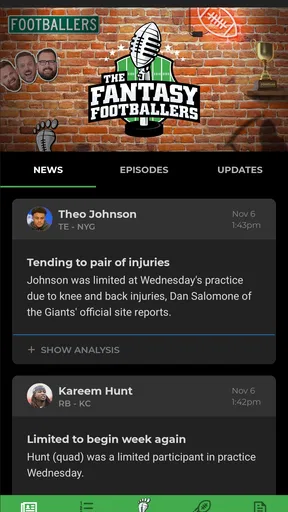
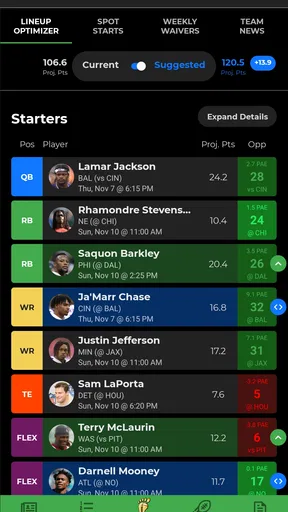
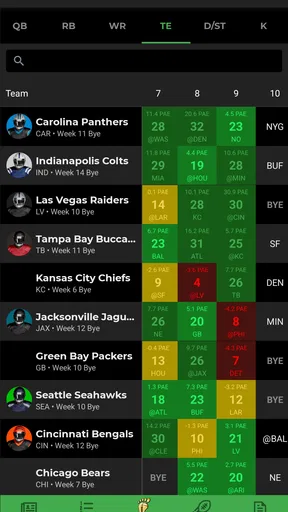
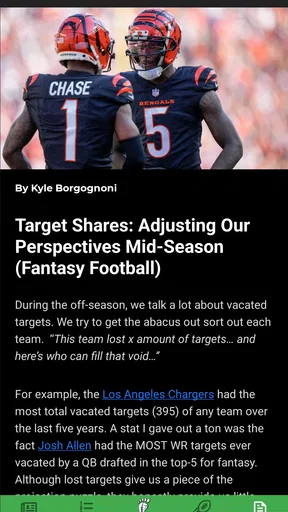
I approached Fantasy Footballers as the kind of companion you open repeatedly during a fantasy football season rather than as a complete replacement for your league platform. That distinction matters. The app is built around helping you make decisions—checking rankings, weighing a start-or-sit choice, and following advice from The Fantasy Footballers—so its value appears in the small moments before a lineup lock, not in a long setup process.
After using it as a sports reference, my overall impression is positive: it turns a familiar fantasy football routine into a more focused research session. I would recommend it to players who like to compare opinions before setting a lineup, especially those who want more guidance than a basic league app provides. I would be less enthusiastic about it for someone who only wants to see their matchup, move players between positions, and leave immediately.
How Fantasy Footballers fits into a real fantasy football routine
The app comes from The Fantasy Footballers, a developer and media brand centered on fantasy football advice. Its store summary points to rankings, start-sit help, and more, and that description is a useful way to understand its role. This is not primarily a league-management tool. I see it as a decision-making layer that sits beside the league app where your roster actually lives.
That difference became most apparent when I imagined a typical Sunday morning. I might open my league application first to check injuries, projected points, and the players currently in my lineup. Then I would use this app for the harder question: whether a player with a difficult matchup deserves the starting spot over a safer alternative. The workflow is simple, but it prevents the common mistake of treating one projection as an automatic answer.
The interface feels most useful when I already have a specific question. “Should I start this running back?” is a productive reason to open it. “I want to browse something” is less so. The app rewards a focused user who arrives with two or three players to compare and wants an informed opinion before committing.
That makes it different from the usual fantasy league application. A league app is generally the place for transactions, scoring, standings, waivers, and matchup administration. Fantasy Footballers is better understood as a companion for analysis. I would not install it expecting to manage every part of a league from one screen, but I would keep it available if weekly lineup choices are the part of fantasy football I take most seriously.
The app is free to install, which makes trying the basic experience easy. It is rated for Everyone, and its Android requirements reach back to version 7.0, so it should be accessible to many users with older devices. The current version is 6.0.2, and the app has passed the early-adoption stage: it shows a 4.9 average from around 2.8 thousand ratings and has over 10 thousand installs.
Those figures do not tell me that every fantasy player will love it, but they do suggest a clear audience has found the format useful. I also appreciate that the free entry point lets a newcomer decide whether this style of advice fits their habits before paying for anything. Optional purchases range from $7.99 to $143.99 per item, so I would examine what each purchase unlocks and whether I would use it throughout the season rather than buying impulsively during one stressful lineup decision.
What the rankings are really good for
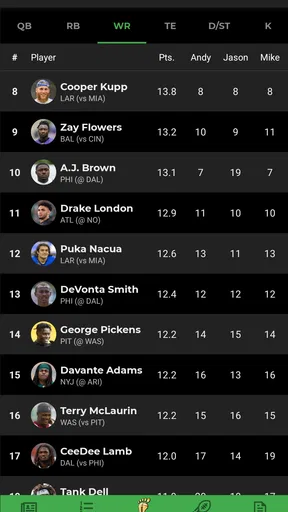
Rankings are most valuable when they organize uncertainty, not when they pretend to remove it. In fantasy football, several players can have similar projected outcomes while carrying very different levels of risk. A ranking gives me a starting order, but I still need to consider my matchup, scoring settings, roster construction, and whether I need a high ceiling or a dependable floor.
That is where I think the app can improve a rushed decision. Instead of jumping between scattered articles or social posts, I can use one dedicated place to frame the comparison. The practical benefit is not simply seeing a player listed higher. It is having a consistent reference point when my personal bias is pulling me toward a familiar name.
I would use rankings in three passes. First, I would identify the players closest together, because that is where outside context can change my choice. Second, I would check whether my league situation demands upside or safety. Third, I would revisit the list closer to kickoff if news has changed the conditions. This approach keeps the ranking useful without turning it into an unquestionable instruction.
A less obvious advantage is that rankings can help with bench decisions, not just starters. When I have a crowded roster, the question is often not “Who is good?” but “Which player is least painful to leave out?” Comparing nearby options makes that decision more deliberate. It can also stop me from overreacting to one exciting headline when a quieter player remains the better fit for my lineup.
Why start-sit guidance is the app’s most practical use
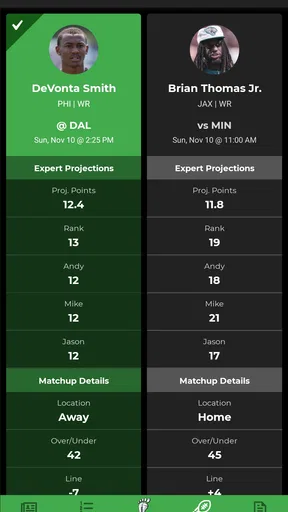
For me, start-sit advice is the clearest reason to return. Rankings tell me where players stand broadly, while a start-sit decision forces a direct comparison. That is closer to the question fantasy managers actually face on game day.
A useful habit is to make the decision before opening the advice. I choose my initial starter based on roster needs, matchup information, and my own expectations. Then I use the app to challenge that choice. If the recommendation agrees, I feel more confident. If it disagrees, I have a reason to slow down and ask what I missed instead of changing my lineup automatically.
This is also a good way to avoid advice fatigue. Reading every opinion available can leave me less certain than when I started. I would rather use the app for a short, repeatable check: compare the two players, note the recommendation, consider the risk, and make the final call. The app works best as a filter for decisions, not as an invitation to consume endless analysis.
There is a useful trade-off here. A decisive recommendation feels convenient, but fantasy football is full of incomplete information. If I need the highest possible ceiling because I am facing a strong opponent, I may choose differently from someone protecting a lead in a matchup. The app can inform that choice, but it cannot know the emotional and strategic context of my league unless I apply it myself.
Where the free experience may stop being enough
The free price is a strong reason to try the app, but the presence of in-app purchases means I would not assume every useful part of the experience is included without checking. That is not automatically a problem. Specialist fantasy tools often reserve deeper material for paying users, and some managers will gladly pay if they use the advice every week.
My caution is about commitment. A casual player who checks a lineup once in a while may not get enough value from a higher-priced purchase. A serious manager who follows rankings throughout the season may see a different calculation. Before spending, I would use the free portion across several different situations: a normal weekly lineup, an injury-related decision, and a close comparison between two bench players. That gives me a better sense of whether the paid tier solves a recurring problem or merely feels attractive at the moment.
The range of purchase prices also means users should be clear about their own level of involvement. Someone managing one relaxed league probably needs a lighter workflow than a person competing in several formats. I would avoid paying for the most extensive option simply because it exists. The right question is whether the additional guidance saves me time and improves decisions often enough to justify it.
The limitations I noticed in the way I would use it
The main limitation is that advice can become a substitute for thinking. Fantasy Footballers makes it easy to search for an answer, but the final decision still depends on league settings and personal strategy. If I follow a recommendation without checking whether my league rewards receptions, bonuses, or other scoring differences, I may be applying a good opinion to the wrong context.
That is why I would keep my league app open as well. This app can help me evaluate players, but it does not replace the place where I see my actual matchup and submit lineup changes. Switching between applications is a small inconvenience, especially when time is short. For a manager who wants one unified dashboard, a platform with analysis built directly into league management may feel smoother.
Another limitation is the risk of overchecking. When I revisit rankings repeatedly, I can talk myself out of a sensible choice. The app is most helpful when I set a deadline for research. I would check early enough to understand the options, review again when meaningful news arrives, and then stop. More screen time does not necessarily create a better lineup.
I would also be careful with players whose situations change quickly. A ranking or start-sit opinion is a snapshot of an evolving week. If a late injury report or role change appears elsewhere, I would not assume the earlier recommendation still reflects it. The app should be one part of a last-minute check, not the only source I trust when news is breaking.
Who should install it, and who should skip it
I think this app is a strong fit for a fantasy manager who enjoys making weekly choices but dislikes sorting through a dozen disconnected sources. It is especially useful for someone who knows the basics of fantasy football and wants a repeatable way to compare players. Beginners can benefit too, provided they understand that rankings are guidance rather than guarantees.
It also suits the friend in a league who is always asked, “Who should I start?” Instead of giving a quick answer based on a favorite team or a recent highlight, I would use the app to create a more disciplined conversation. We could compare the options, discuss whether the team needs upside, and then make a decision that fits the matchup.
I would be more hesitant to recommend it to a player who rarely changes a lineup, does not enjoy researching weekly choices, or only wants administrative features. If my main priorities are trades, waiver claims, standings, and direct league communication, my league provider remains the more important application. This tool is not a universal fantasy football command center, and expecting it to be one would lead to disappointment.
It may also be unnecessary for an experienced manager who already has a trusted process and does not want outside opinions. If I have built my own projections, track news carefully, and prefer making every decision independently, another ranking source could add noise instead of clarity. The app’s strength is structured guidance; users who actively avoid structured guidance may not enjoy it.
Small habits that make the app more useful
My first tip is to record the reason for a difficult decision before checking the advice. I might write a quick note that I prefer one player because of expected volume or because I need a high-upside outcome. When the app points me in another direction, I can evaluate the disagreement rather than reacting to a number or label without context.
My second tip is to use it for tiers of uncertainty instead of every player on the roster. If one starter is clearly ahead and another is clearly behind, there is little value in repeatedly researching them. Concentrate on the two or three players whose positions are genuinely close. This saves time and makes the advice more meaningful.
My third tip is to separate weekly research from long-term roster planning. A start-sit recommendation can help this week, but it should not automatically determine whether I keep or trade a player. I would use the app for the immediate lineup question, then make larger roster decisions using a broader view of my league and season goals.
Finally, I would treat disagreement as useful information. If my instinct and the app’s guidance differ, that is exactly when I should inspect my assumptions. Maybe I am overvaluing a recent performance, ignoring a difficult matchup, or being too conservative. Even when I keep my original choice, the process can make the decision more intentional.
My final verdict on Fantasy Footballers
Fantasy Footballers is best as a focused fantasy football adviser, not as a replacement for a league manager. Its rankings and start-sit orientation match the moments when I most want help: close lineup calls, uncertain bench choices, and the weekly need to turn scattered information into one decision.
I like the free starting point, the clear sports focus, and the way the app can fit into a short Sunday routine. The strong average rating and growing install base reinforce that it has found an audience, while the Everyone rating and Android 7.0 compatibility make it approachable for many users. Still, I would keep expectations realistic: advice is not certainty, switching between apps can be inconvenient, and paid options deserve a careful look before purchase.
My recommendation is straightforward. Install it if you want an organized second opinion and are willing to apply judgment to your own league settings. Try the free experience across several weekly decisions before considering an in-app purchase. Skip it if you only need lineup administration or already have a research system you trust more. For the right fantasy manager, it is a practical companion that can make difficult choices calmer and more deliberate.
Verdict
Strengths of Fantasy Footballers
- Detailed fantasy football analysis from experienced hosts
- Player rankings and projections help guide draft decisions
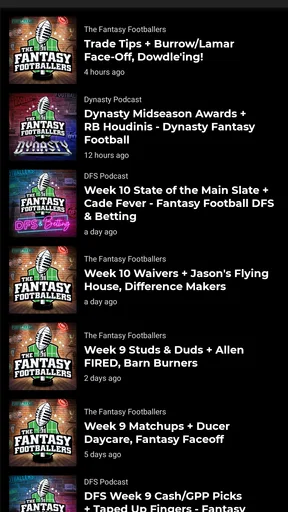
- Regular podcasts provide fresh advice throughout the season
- Useful waiver-wire and trade perspectives for roster management
- Entertaining personalities make fantasy research more enjoyable
Limitations of Fantasy Footballers
- Some premium tools and content require a paid subscription
- Advice may not match your league’s unique scoring settings
- Frequent updates can feel overwhelming for casual players
- Player projections are estimates and can change quickly
- App features may be less useful during the offseason
Other Releases by The Fantasy Footballers
View All
Fantasy Football Draft Kit UDK
Sports4.9
Similar Picks in This Category
View All
BeSoccer: Soccer Live Score
BeSoccer apps4.3

Cricbuzz - Live Cricket Scores
Cricbuzz.com3.7

NFL
NFL Enterprises LLC2.4

Da Fit
MO YOUNG LIMITED3.6

ESPN
Disney4.5

LiveScore: Live Sports Scores
LiveScore Limited4.5
Frequently Asked Questions
What is Fantasy Footballers, and what can I use it for?
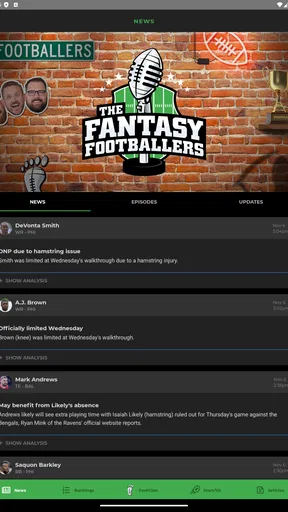
Fantasy Footballers is a fantasy football companion app designed to help you prepare for drafts, manage your roster, and make smarter weekly decisions. It typically provides player rankings, projections, matchup information, injury updates, news, podcasts, and expert analysis. After exploring the app, I found it most useful as a research tool alongside your league platform rather than as a replacement for the official app where your team is hosted.
Is Fantasy Footballers free to download and use?
The app may be available to download for free, but some features or content can require a subscription, in-app purchase, or membership. Free users may receive access to selected articles, rankings, news, or podcast content, while premium tools can include deeper projections, customized rankings, draft assistance, and additional analysis. Check the current store listing and subscription terms before downloading, since available features and prices may change.
Does Fantasy Footballers support my fantasy football league directly?
Fantasy Footballers is primarily intended for advice, analysis, and decision-making, so league compatibility depends on the specific feature and supported platform. It may not allow you to perform every action directly inside your league, such as trades, waiver claims, or lineup submissions. You should confirm whether your league provider is supported and expect to use the official league app for final roster management.
Can Fantasy Footballers help with draft preparation and weekly lineup decisions?
Yes, draft preparation and weekly lineup advice are among the app’s most useful purposes. You can review rankings, player outlooks, matchup details, injury news, and expert opinions before making decisions. In my experience, the information is helpful for comparing players and spotting risks, but it should not be treated as a guarantee. Football remains unpredictable, so personal league settings and your own judgment still matter.
What permissions, account requirements, and privacy considerations should I know about?
Depending on the version and features you use, Fantasy Footballers may request notifications, internet access, analytics permissions, or an account for personalized content and premium services. Notifications can be valuable for injury and news updates, but they may become frequent during the season. Before registering or subscribing, review the app’s privacy policy, data practices, cancellation rules, and whether your information is shared with service providers or advertising partners.
